Detection and Control of Flammable Substances In Alberta
Detection and Control of Flammable Substances
Leveraging 40 years of real-world operations to deliver superior H2S Alive® and Industrial Safety Training in Western Canada.
H2SAL1 Training
What Is Detection and Control of Flammable Substances?
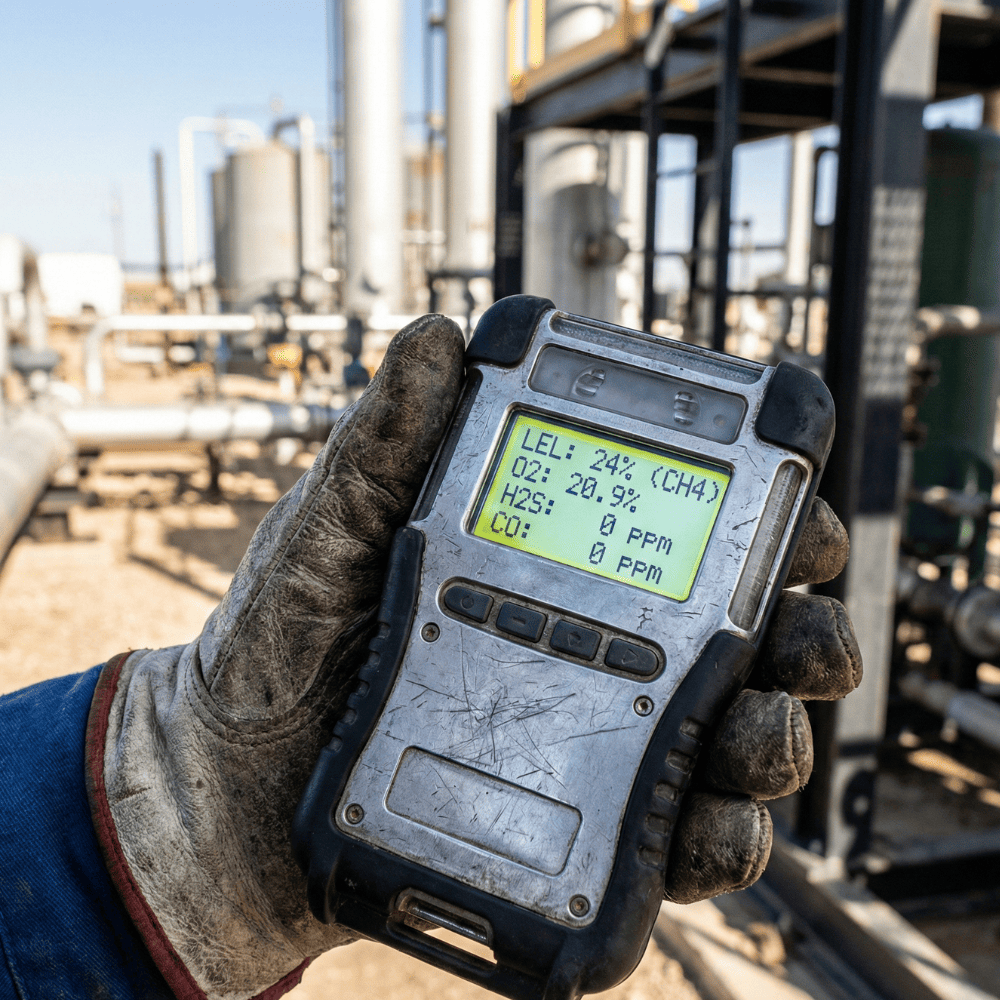
The detection and control of flammable substances is a specialized safety training course that goes beyond basic monitor operation to teach the fundamental principles of flammable gas behavior and sensor technology. It focuses on mastering flammable substance chemistry, which includes analyzing flash points, vapour density, and both lower and upper explosive limits. The detection aspect covers understanding the operation of catalytic bead and infrared sensors, as well as their limitations and susceptibility to poisoning. Furthermore, it teaches workers how to interpret these readings accurately by distinguishing between true atmospheric readings, false positives, and oxygen-deficient environments.
H2SAL1 Training
When Is Detection and Control of Flammable Substances Necessary?
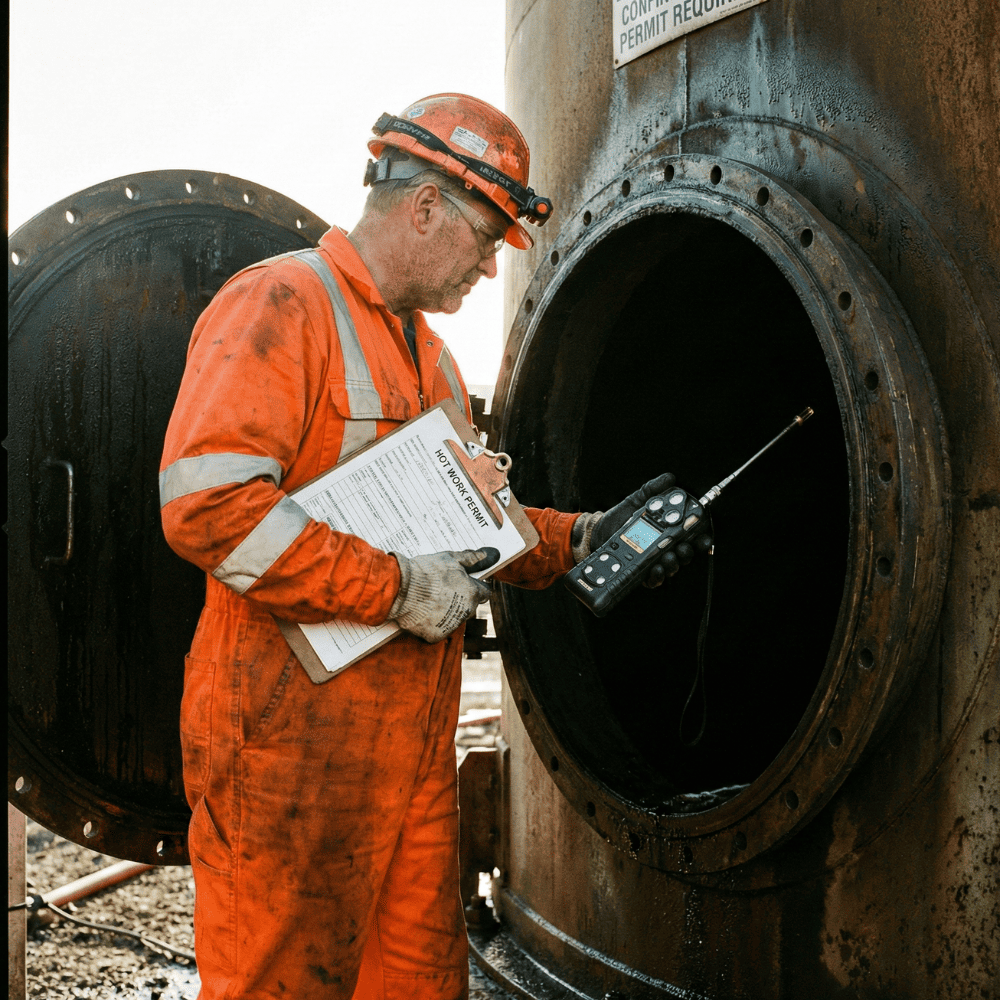
The detection and control of flammable substances is absolutely necessary for workers who are responsible for life-or-death situations in high-risk environments. Specifically, applying this knowledge is required whenever personnel are conducting hot work permits or preparing for confined space entry. It is also essential when performing ongoing atmospheric monitoring to ensure a safe work area. Because understanding the lower explosive limit (LEL) is critical to worker survival, this training is necessary anytime there is a risk of encountering flammable gases on a job site.
H2SAL1 Training
What Is Required For Detection and Control of Flammable Substances?

Effective detection and control of flammable substances requires the implementation of accurate pre-entry testing and specific sampling strategies designed to stratify atmospheres. Workers are required to correctly operate specialized sensor technology, such as catalytic bead and infrared sensors, to monitor the environment. When hazards are detected, strict control measures must be deployed to mitigate the risks. These mandatory control measures include executing precise ventilation, purging, and inerting strategies to secure high-risk environments.
Course Overview
For workers responsible for hot work permits, confined space entry, or atmospheric monitoring, understanding the lower explosive limit (LEL) is a matter of life and death. This comprehensive course moves beyond basic monitor operation to teach the principles of flammable gas behavior and sensor technology."
Detailed Learning Objectives
Flammable Substance Chemistry: Analyzing flash points, vapour density, and explosive limits (LEL/UEL).
Sensor Technology: Understanding the operation of catalytic bead and infrared sensors, including their limitations and susceptibility to poisoning.
Sampling Strategies: Techniques for stratifying atmospheres and conducting accurate pre-entry tests.
Interpretation: Distinguishing between true readings, false positives, and oxygen-deficient atmospheres.
Control Measures: Ventilation, purging, and inerting strategies for high-risk environments.
TESTIMONIALS
What Our Detection and Control of Flammable Substances Customers Say About Us
The Process
Our Simple 3 Step Process

Contact Us
Click the button below to contact us and tell us what course you want to take. Our team will be happy to answer any additional questions you may have.

Book A Course
Next, we'll save a spot for you in one of our courses and send you all the information you'll need for the day. Be quick though, these classes fill up fast!

Get Certified
Complete your hands-on training to immediately receive valid certification recognized on worksites across Western Canada.
Contact Info:
Have A Question?
Fill out the form and I'll get right back to you!
BUSINESS
Courses
SERVICE AREAS
OPERATING HOURS
Sun: Closed
Mon: 5:00am - 10:00pm
Tue: 5:00am - 10:00pm
Wed: 5:00am - 10:00pm
Thu: 5:00am - 10:00pm
Fri: 5:00am - 10:00pm
Sat: 5:00am - 10:00pm